
The Allure of High-Stakes Gambling
High-stakes gambling captivates individuals, drawing them into a world where the thrill of risk intertwines with the chance of substantial financial gain. This attraction is deeply rooted in human psychology, where emotions, adrenaline, and the desire for validation play significant roles. The prospect of winning large amounts of money in a single night can make the high-stakes environment feel almost intoxicating, providing an escape from the mundane and the familiar. Many enthusiasts are intrigued by the best uk non gamstop casinos 2026 that promise thrilling experiences and unprecedented opportunities.
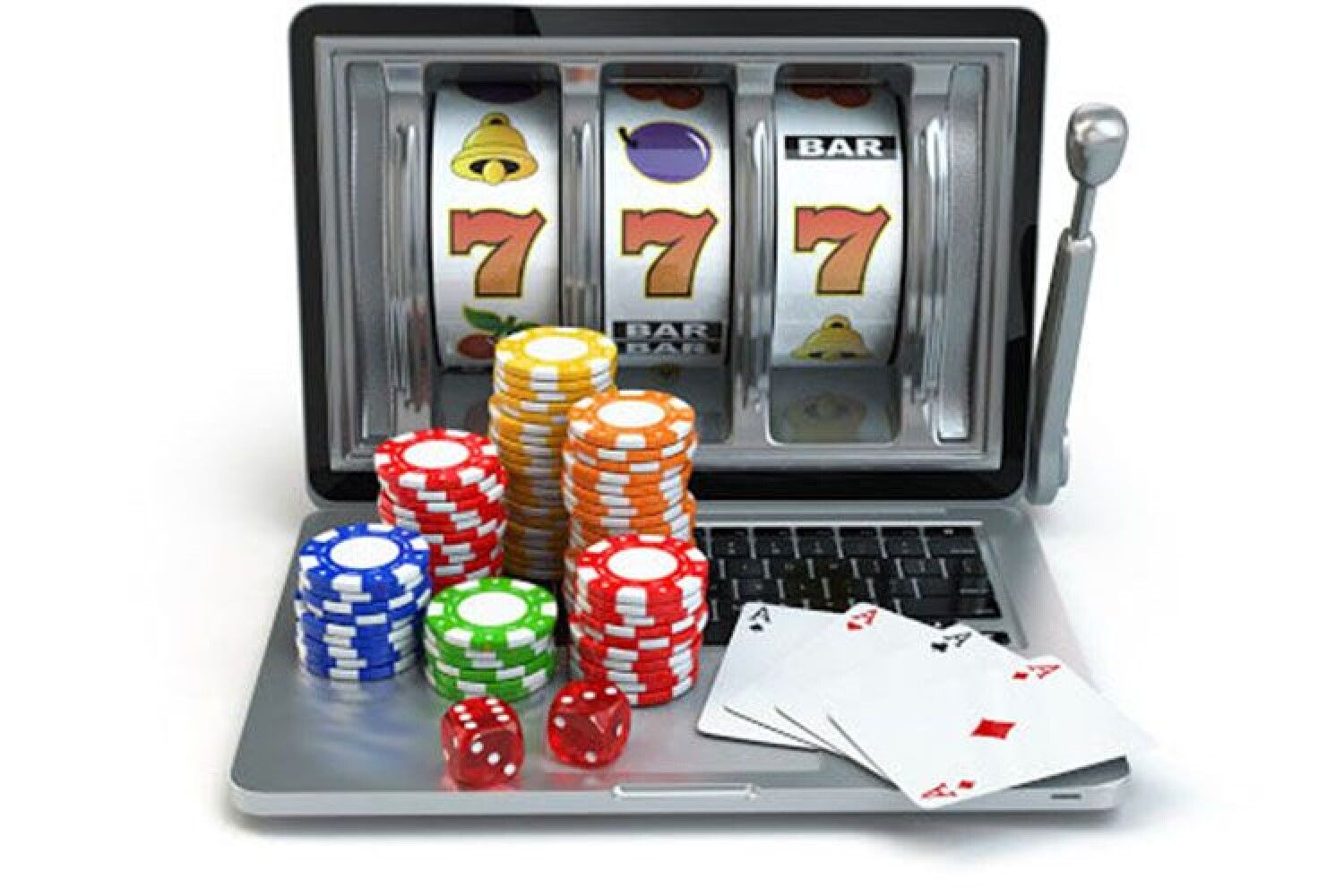
Moreover, casino settings are designed to amplify this allure. With their luxurious decor, vibrant lights, and the sounds of spinning wheels and ringing slots, casinos create an atmosphere that heightens excitement. Players may feel an overwhelming sense of urgency and importance when placing bets, as the stakes seem to elevate their social status and self-worth in the eyes of others.
The Role of Risk and Reward
The psychology of high-stakes gambling is inherently linked to the concepts of risk and reward. Many gamblers are drawn to the idea that taking greater risks can lead to exponentially greater rewards. This phenomenon is closely tied to the concept of loss aversion, where individuals are more motivated to avoid losing than to achieve gains. In a high-stakes environment, the potential for loss feels more visceral, which can create a compulsion to continue playing to recover from losses.
This dynamic often results in a cycle of behavior where individuals chase their losses, believing that a big win is just around the corner. This belief can cloud judgment and lead to potentially destructive decision-making, as the line between rational play and reckless gambling becomes increasingly blurred. The thrill of risking significant amounts can overshadow the potential for negative outcomes, entrenching players deeper into the gambling experience.
Emotional and Psychological Triggers
The emotional landscape of high-stakes gambling is complex and layered. Emotions such as excitement, fear, and exhilaration can fluctuate dramatically as players navigate wins and losses. Some individuals may experience a heightened sense of euphoria when they win, while losses can lead to feelings of despair or anger. These emotional highs and lows are potent psychological triggers that can compel continued play, even in the face of significant losses.
Furthermore, the social dynamics in casino environments also influence the psychology of gambling. The presence of other players can create a sense of camaraderie or competition, both of which can intensify the gambling experience. Players often feed off each other’s emotions, contributing to a shared sense of anticipation and excitement that amplifies the allure of high-stakes betting.
Psychological Consequences of Gambling
The psychological consequences of high-stakes gambling can be profound and, in some cases, devastating. For some individuals, the thrill of gambling escalates into a full-blown addiction, where the need to gamble overshadows other aspects of their lives. This compulsive behavior can lead to significant financial loss, strained relationships, and an overall decline in mental health.
Understanding the psychological impact of gambling is essential for both players and regulators. Awareness of the risks associated with high-stakes gambling can help mitigate potential harm. Support systems and resources are vital for those struggling with gambling addiction, offering pathways to recovery and educating them about the importance of responsible gambling practices.

Connecting with Community Events
For those seeking a sense of community while exploring their interests in gambling and gaming culture, there are various community events available. Engaging in local gatherings can provide valuable insights into responsible gambling practices and foster connections with like-minded individuals. These events often emphasize the importance of moderation and informed decision-making.
By participating in such activities, individuals can more effectively navigate the complex psychology of gambling, ensuring their experiences remain enjoyable and within healthy boundaries. Building a support network through these events can also be crucial for those who may struggle with the addictive nature of high-stakes gambling, promoting a safe environment for open discussions and shared experiences.
